Web services request proof of address for several reasons. It’s important to understand why they need it, what exactly they accept, and how to obtain it legally.
Why proof of address is required
- Legal requirements (KYC / AML)
Banks, fintech services, crypto exchanges, and payment platforms are required to:- identify their customers,
- confirm where they actually reside.
- Fraud prevention
A verified address helps reduce:- fake accounts,
- identity abuse,
- money laundering risks.
- Taxes and jurisdiction
Your address determines:- which country’s regulations apply,
- tax obligations,
- which services and features are available to you.
- Official communication
Some companies are legally required to have a physical address for:- formal notices,
- contracts,
- legal correspondence.
What is usually accepted as proof of address
Most services require a document issued within the last 3–6 months that includes:
- your full name,
- your full residential address,
- date of issue,
- logo or stamp of the issuing organization.
Commonly accepted documents:
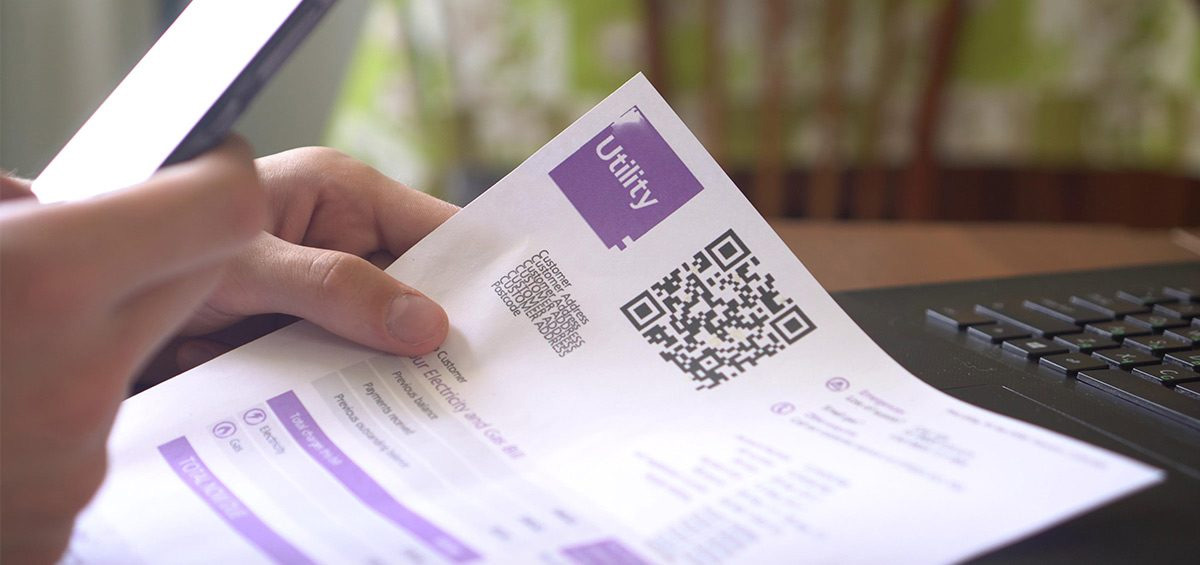
- utility bills (electricity, gas, water, internet),
- bank statements,
- residence registration certificate,
- tax letters or government notices,
- rental agreement (sometimes),
- official letters from government authorities.
❌ Usually not accepted:
- screenshots,
- handwritten documents,
- documents without your name,
- fake or altered files.
Where to get proof of address
1. If you live at your registered address
The easiest options:
- bank statement (often downloadable from online banking),
- utility bill,
- residence registration certificate.
2. If you live without registration or abroad
Possible options:
- statement from a foreign bank,
- rental agreement + utility bill,
- employer letter (not always accepted).
3. Online banks and fintech services
Some services (Wise, Revolut, N26, etc.) issue statements that can be used as proof of address — but only if the account itself is already verified.
❗ About “ordering ready-made documents with your data”
This is very important.
What you must not do:
- buy “ready-made” proof-of-address documents,
- order fake utility bills or bank statements,
- submit forged PDFs.
This can lead to:
- permanent account bans,
- frozen funds,
- legal consequences in many countries.
What is legal and acceptable:
- Virtual address / mail forwarding services
Some companies provide:- a real postal address,
- official mail or statements.
- Official address registration
- temporary residence registration,
- properly registered rental agreements,
- serviced apartments or co-living residences.
- Bank statements
Opening a bank or fintech account is often the most reliable and widely accepted solution.